Facebook
 X
X
 Pinterest
 Copy Link
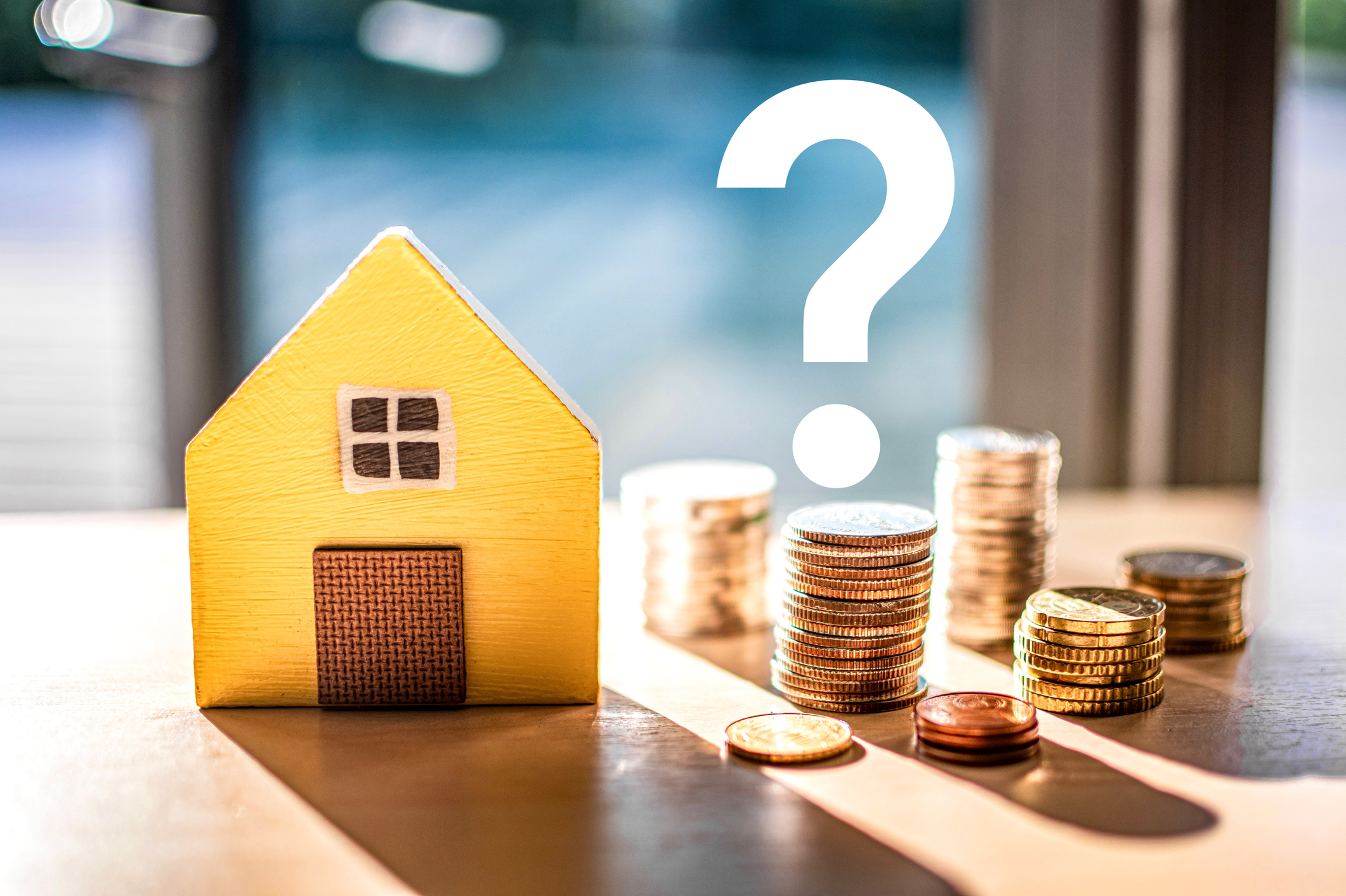
Discover the true cost of homeownership in 2026 — beyond just the mortgage payment. This guide breaks down taxes, insurance, maintenance, and Philadelphia housing market trends to help you budget smarter before buying a home.
Buying a home is one of the biggest financial decisions many people make — but too often, prospective buyers focus only on the mortgage payment. In 2026, the true cost of homeownership goes far beyond principal and interest. Property taxes, insurance, maintenance, utilities, and local market conditions can all significantly impact your budget.
This is especially true in the Philadelphia real estate market, where rising values and diverse neighborhood dynamics make planning ahead even more important.
Let’s break down the full picture of what owning a home really costs in 2026 — so you can make an informed and confident decision.
📊 What Homeowners Often Overlook
When most people calculate home affordability, they plug figures into a mortgage calculator and stop there. But homeownership includes several hidden and recurring expenses that add up over time.
Here’s what to consider:
🏠 1. Property Taxes
Property taxes vary significantly across Pennsylvania, and within the Philadelphia area, rates can differ block by block.
-
In Philadelphia city, average effective property tax rates are generally lower than many suburban counties, but the total bill can still be significant due to assessed values.
-
In nearby suburbs (e.g., Bucks, Montgomery, Delaware counties), tax rates are often higher — though assessments can vary.
Tip: Always confirm current tax rates and the assessed value with the local tax assessor before finalizing an offer.
🔥 2. Homeowners Insurance
Insurance protects your home from damage, but costs have increased in recent years.
Factors that affect premiums:
-
Age of home
-
Proximity to water or fire stations
-
Roof condition
-
Claims history in the neighborhood
In the Philadelphia region, older homes (especially in historic neighborhoods) may carry higher premiums due to replacement cost and structural complexity.
🛠️ 3. Maintenance and Repairs
The “fun money” of homeownership is often underestimated.
Experts generally recommend budgeting 1–2% of the home’s value annually for maintenance:
-
HVAC servicing
-
Roof repairs
-
Landscaping
-
Appliance replacement
-
Unexpected issues like plumbing or electrical
For a $400,000 house, that can be $4,000–$8,000 per year — on top of your mortgage.
💡 4. Utilities and Ongoing Costs
Renters sometimes overlook how quickly monthly utilities can add up. Homeowners cover:
-
Electricity
-
Water and sewer
-
Gas or oil
-
Trash and recycling
-
Internet and security systems
Especially in older Philadelphia homes, energy efficiency can vary, leading to higher winter heating bills or summer cooling costs.
🔄 5. PMI and Interest
If you put less than 20% down, you may pay Private Mortgage Insurance (PMI) — which can add hundreds to your monthly payment until you reach sufficient equity.
Interest rates in 2026 remain higher than the ultra-low rates of early pandemic years. While refinance opportunities may exist later, budgeting for higher initial rates is wise.
📍 The Philadelphia Market in 2026: What Buyers Need to Know
The Philadelphia real estate market continues to show resilience as we move through 2026. Here are some key trends impacting the cost of homeownership locally:
📈 Home Prices and Appreciation
-
Philadelphia and its suburbs have experienced steady home price growth over the past decade.
-
Neighborhoods like Fishtown, Manayunk, Queen Village, and parts of South Philly remain in high demand, driving competition and appreciation.
-
Even in markets with slower turnover, long-term value gains have helped homeowners build equity over time.
🏘️ Inventory and Competition
-
Inventory levels fluctuate seasonally and by neighborhood, but many buyers still face limited options in desirable price ranges.
-
When inventory is tight, bidding wars or offers above asking price can increase overall cost of purchase — and the stress that comes with it.
💡 Rent vs. Buy in Philly
For many Philadelphia renters, rising rent prices have made buying more appealing — but the total cost of ownershipmust still be weighed carefully against long-term benefits.
As of 2026:
-
Buying in neighborhoods with long-term growth potential still often beats the financial drain of rising rents.
-
However, buyers must budget appropriately for all recurring costs — not just the mortgage.
🧠 How to Accurately Budget for Homeownership
Here’s a simple formula to help you estimate your true cost of owning:
Monthly Mortgage + Property Tax + Insurance + Maintenance + Utilities + PMI (if applicable) = Total Monthly Housing Cost
For many buyers in the Philly metro area:
-
Property taxes can add several hundred dollars per month
-
Insurance may range widely depending on home age and location
-
Maintenance is unpredictable but necessary
When you add these up, your real monthly cost may be 20–30% higher than just your mortgage payment.
💡 Tips for Prospective Philly Buyers
Here are ways to prepare and minimize surprise costs:
📌 1. Get a detailed home inspection
A thorough inspection reveals upcoming maintenance needs — saving you thousands in unexpected repairs.
📌 2. Budget for contingencies
Set aside 3–6 months of emergency savings in addition to your down payment.
📌 3. Ask for tax history
Request the current tax bill and any trends in assessed value before your offer.
📌 4. Understand your neighborhood
In areas like Chestnut Hill or Northern Liberties, potential renovation costs may differ significantly from suburbs like Cherry Hill or King of Prussia.
🏁 Final Thoughts: Looking Beyond the Mortgage
Owning a home is more than a monthly payment. In 2026 — especially in the Philadelphia housing market — it’s a long-term financial commitment that requires careful planning and a full understanding of costs beyond principal and interest.
When you budget thoughtfully and work with trusted professionals, homeownership can be an incredibly rewarding way to build wealth and stability.