Facebook
 X
X
 Pinterest
 Copy Link
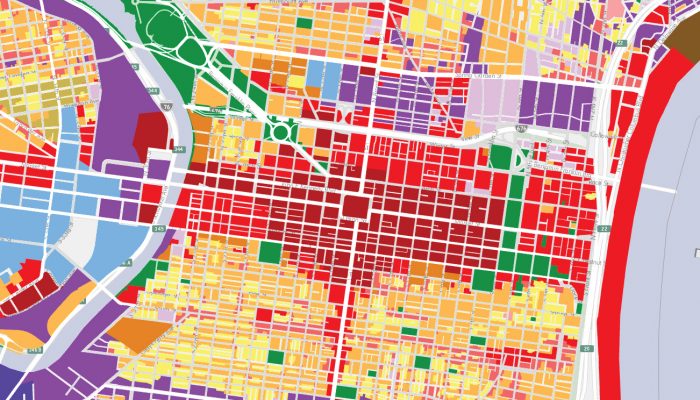
Discover how zoning laws, development trends, and city planning are shaping Philadelphia’s housing market, home prices, and future neighborhoods.
Introduction
Philadelphia’s housing market is evolving rapidly, and much of that change is being driven by zoning regulations and new development. From small infill projects to large-scale mixed-use developments, zoning rules play a critical role in determining what can be built, where it can be built, and how quickly housing supply can grow.
As demand for housing continues to rise across Philadelphia, understanding zoning and development trends has become essential for homebuyers, investors, developers, and homeowners alike. In this article, we’ll explore how zoning shapes the city’s housing landscape, where development is accelerating, and what it all means for affordability and future growth.
Why Zoning Matters in Philadelphia
Zoning determines how land can be used—whether a property can be residential, commercial, mixed-use, or industrial. In a dense, historic city like Philadelphia, zoning decisions have an outsized impact on housing availability.
Key zoning factors that influence the housing market include:
-
Density allowances (single-family vs. multi-family)
-
Height and setback requirements
-
Parking minimums
-
Use restrictions (residential vs. mixed-use)
-
Overlay districts and historic protections
When zoning allows for higher density, developers can create more housing units, which helps relieve supply pressure. When zoning is restrictive, it can limit new construction, contributing to rising prices and lower inventory.
The Role of Development in Housing Supply
Philadelphia has seen a steady increase in new construction and redevelopment, particularly in neighborhoods close to Center City and major transit corridors. Much of this growth is driven by:
-
Infill development on vacant or underutilized lots
-
Conversion of industrial or commercial buildings into residential units
-
Mixed-use projects combining housing, retail, and office space
These developments help modernize the housing stock and attract new residents, but they also raise important questions about neighborhood character, affordability, and displacement.
By-Right Development vs. Zoning Variances
One of the most significant factors affecting housing timelines in Philly is whether a project can be built “by right” or requires zoning relief.
-
By-right development complies fully with existing zoning rules and can move forward faster.
-
Zoning variances or special exceptions require approval, often through public hearings, which can add time, cost, and uncertainty.
Projects requiring variances often face delays, making some developments financially unfeasible. As a result, developers may choose to build smaller or fewer units than the market could otherwise support.
How Zoning Impacts Housing Affordability
Zoning directly influences affordability by controlling how much housing can be built.
When zoning:
-
Limits density → fewer homes are built
-
Restricts multi-family housing → rents and prices rise
-
Requires excessive parking → construction costs increase
In contrast, zoning that encourages:
-
Multi-family housing
-
Transit-oriented development
-
Adaptive reuse of existing buildings
…can help expand supply and stabilize prices over time.
Philadelphia has made progress in some areas, but zoning constraints remain one of the biggest challenges to addressing long-term affordability.
Neighborhoods Seeing the Most Zoning-Driven Change
Several areas of the city are experiencing noticeable shifts due to zoning and development activity, including:
-
Former industrial corridors transitioning to residential use
-
Neighborhoods near major transit lines seeing increased density
-
Areas with large vacant parcels being repositioned for housing
These changes often bring new amenities, increased property values, and improved infrastructure, but they can also spark concerns about rising taxes and displacement of longtime residents.
The Balancing Act: Growth vs. Community Impact
City planners and policymakers face a delicate balance:
-
Encouraging development to meet housing demand
-
Preserving neighborhood identity and affordability
-
Ensuring infrastructure keeps pace with growth
Public input, community meetings, and zoning overlays all play a role in shaping outcomes. While this process can slow development, it also ensures that growth aligns with long-term neighborhood goals.
What This Means for Buyers, Sellers, and Investors
Homebuyers should pay attention to zoning and nearby development, as it can affect future property values and neighborhood dynamics.
Sellers in areas targeted for upzoning or redevelopment may benefit from increased demand and higher prices.
Investors and developers must navigate zoning carefully—understanding what’s allowed by right versus what requires approvals can make or break a deal.
Looking Ahead: The Future of Philly’s Housing Market
Zoning and development will continue to shape Philadelphia’s housing market for years to come. As the city grows, policies that support thoughtful density, smart redevelopment, and housing diversity will be critical to maintaining affordability and livability.
For anyone involved in Philly real estate, staying informed about zoning trends isn’t optional—it’s essential.