Facebook
 X
X
 Pinterest
 Copy Link
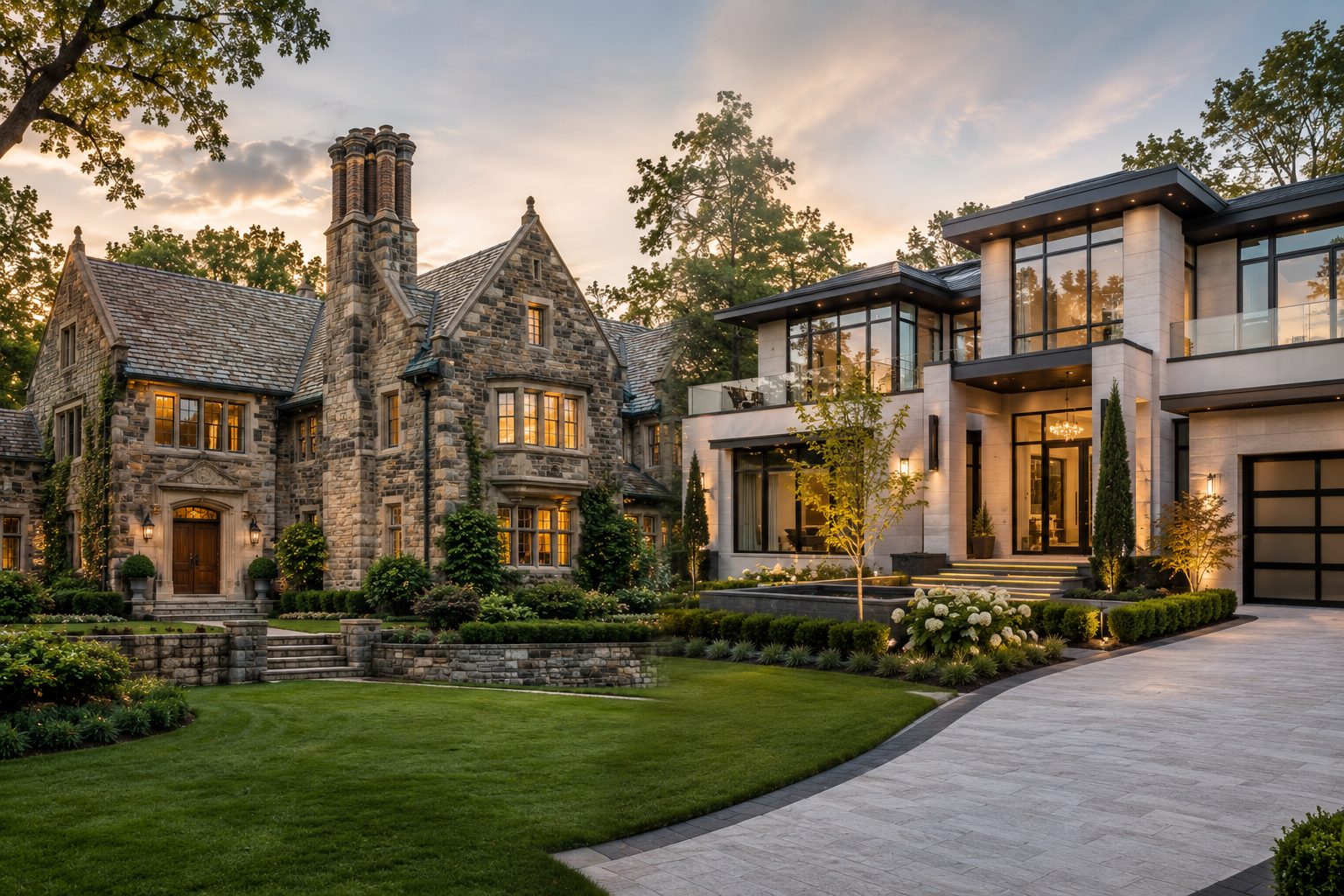
The Evolution of Main Line Architecture: From Historic Estates to Modern Builds
The Main Line has long been recognized as one of the most prestigious residential areas outside Philadelphia. Beyond its luxury lifestyle, top-rated schools, and historic charm, the Main Line is also known for its extraordinary architecture.
From sprawling stone estates built during the Gilded Age to sleek contemporary custom homes emerging today, the Main Line’s architectural landscape has continuously evolved while maintaining its timeless prestige.
Communities like Bryn Mawr, Gladwyne, Villanova, Wayne, and Haverford showcase a fascinating blend of architectural history and modern luxury living.
The Rise of the Grand Main Line Estate
The Main Line’s architectural roots date back to the late 1800s and early 1900s, when wealthy Philadelphia industrialists and business leaders began building country estates outside the city.
At the time, the Pennsylvania Railroad made commuting into Philadelphia easier, transforming the Main Line into a destination for affluent families seeking:
- Privacy
- Large estates
- Cleaner suburban living
- Prestigious communities
Many of the original homes were designed by nationally recognized architects and inspired by European styles.
These estates often featured:
- Stone exteriors
- Slate roofs
- Formal gardens
- Carriage houses
- Grand staircases
- Intricate millwork
- Expansive acreage
Even today, these homes remain some of the most iconic and valuable properties throughout the region.
Historic Architectural Styles That Defined the Main Line
The Main Line became known for several signature architectural styles that continue shaping the area’s identity today.
Tudor Revival
One of the most recognizable styles throughout the Main Line is Tudor Revival architecture, featuring:
- Steep rooflines
- Decorative half-timbering
- Stone and brick facades
- Leaded glass windows
- Large chimneys
These homes remain highly sought after for their timeless character and craftsmanship.
Georgian and Colonial Revival
Luxury Georgian and Colonial-style estates became popular for their symmetry, elegance, and stately presence.
These homes often included:
- Grand center hall layouts
- Formal entertaining spaces
- Large columns
- Brick or stone exteriors
- Traditional architectural detailing
French Normandy and European-Inspired Estates
Many Main Line estates also drew inspiration from European countryside architecture, particularly French Normandy and English manor homes.
These properties helped establish the Main Line’s reputation for sophistication and old-world elegance.
Modern Buyers Want Historic Charm with Contemporary Living
While historic homes remain highly desirable, today’s luxury buyers often expect modern functionality alongside traditional architecture.
As a result, many Main Line estates have undergone extensive renovations featuring:
- Open floor plans
- Modern kitchens
- Spa-like bathrooms
- Smart home technology
- Home gyms
- Wine cellars
- Luxury outdoor entertaining spaces
Buyers increasingly seek homes that preserve architectural integrity while offering modern convenience and efficiency.
The Rise of Modern Luxury Builds
Over the past decade, the Main Line has also seen a significant increase in luxury new construction and modern custom homes.
In communities like Villanova and Gladwyne, buyers are increasingly building:
- Contemporary estates
- Transitional-style homes
- Modern farmhouses
- Minimalist luxury residences
These homes often feature:
- Clean architectural lines
- Floor-to-ceiling glass
- Indoor-outdoor living
- Open-concept designs
- Resort-style pools
- Energy-efficient systems
- Smart home integration
Many affluent buyers are drawn to newer construction because of lower maintenance requirements and modern layouts designed for today’s lifestyles.
Balancing Preservation and Progress
One of the most interesting aspects of the Main Line’s evolution is the balance between preservation and modernization.
Many communities prioritize:
- Historic preservation
- Architectural consistency
- Estate character
- Mature landscaping
- Low-density development
At the same time, newer luxury homes continue reshaping portions of the market as buyers seek updated amenities and custom design opportunities.
This combination of historic elegance and modern luxury is part of what makes the Main Line so unique.
Architecture Continues to Shape Property Values
Architectural quality remains one of the biggest drivers of luxury value throughout the Main Line.
Buyers are often willing to pay significant premiums for:
- Historic pedigree
- Architectural significance
- Custom craftsmanship
- Renovated estates
- Modern luxury finishes
- Prime lot positioning
Well-designed homes with timeless architecture tend to hold long-term value exceptionally well.
Final Thoughts
The Main Line continues to evolve while preserving the architectural beauty and prestige that have defined the region for generations.
From historic stone mansions and Tudor estates to sleek contemporary custom homes, the Main Line offers one of the most diverse and sophisticated luxury housing markets in the Philadelphia area.
Whether buyers are drawn to old-world craftsmanship, modern minimalist design, or a blend of both, the Main Line continues to offer exceptional architectural character and long-term luxury appeal.
For buyers and sellers navigating the Main Line luxury market, understanding architectural trends, renovation potential, and neighborhood character can play a major role in both lifestyle decisions and long-term property value.