Facebook
 X
 Pinterest
 Copy Link
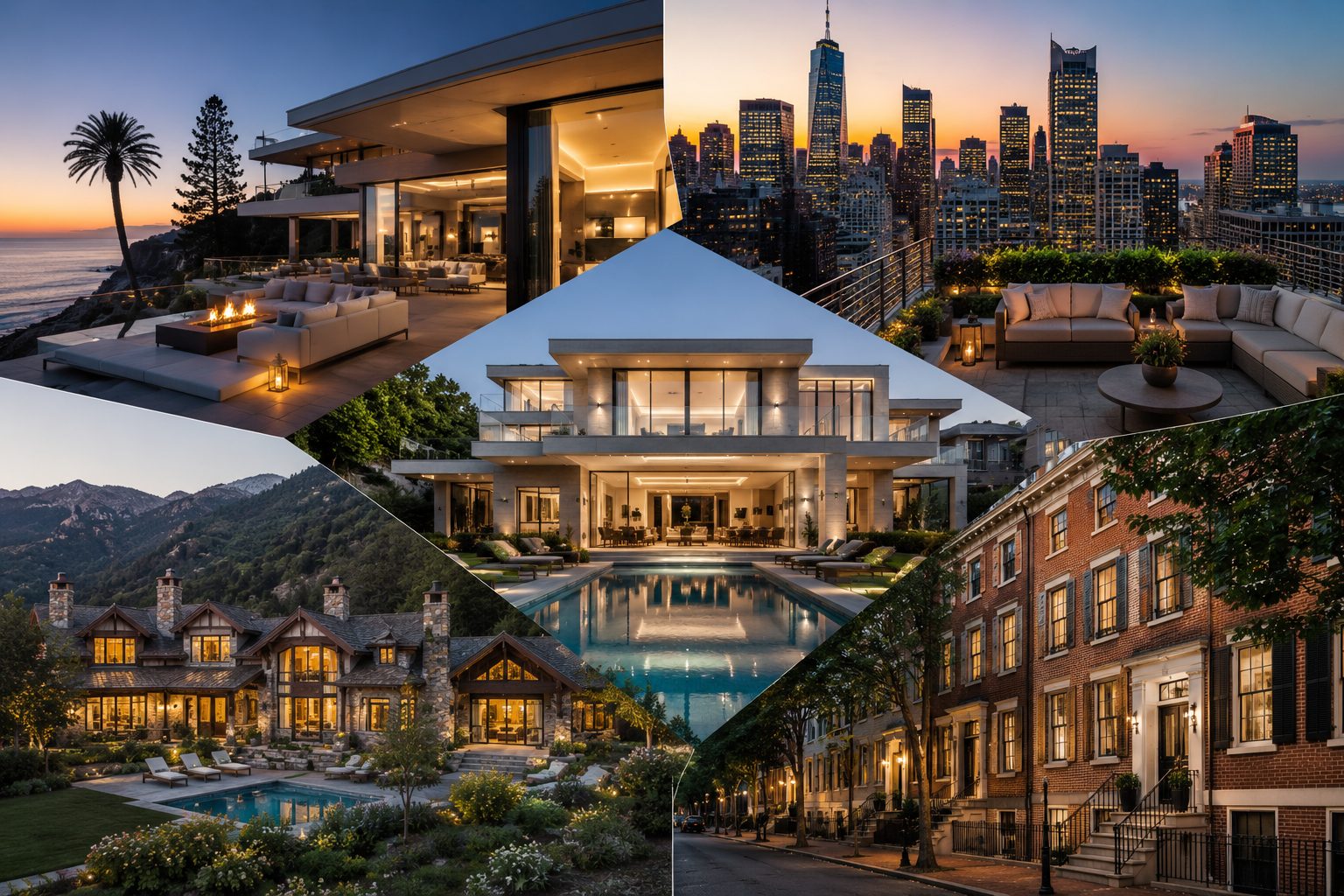
How the Definition of Luxury Real Estate Is Shifting Across the U.S.
Luxury real estate in the United States is evolving rapidly. While square footage, prestigious addresses, and high price tags still matter, today’s affluent buyers are redefining what luxury truly means.
Across major markets — from New York City and Miami to Philadelphia, Los Angeles, and luxury resort communities nationwide — buyers are increasingly prioritizing lifestyle, wellness, privacy, flexibility, and emotional experience over traditional status alone.
As a result, the definition of luxury real estate has expanded far beyond simply owning an expensive home.
Lifestyle Has Become the New Status Symbol
Today’s luxury buyers are placing greater emphasis on how a home supports their day-to-day lifestyle rather than just how impressive it appears.
Affluent buyers increasingly prioritize:
- Privacy
- Convenience
- Wellness
- Outdoor living
- Flexibility
- Experiences
- Work-life balance
Luxury homes are no longer viewed solely as status symbols — they are increasingly seen as personal sanctuaries designed to improve quality of life.
This shift has fundamentally changed both luxury home design and buyer expectations nationwide.
Wellness-Focused Living Is Redefining Luxury
One of the biggest shifts in luxury real estate is the growing focus on wellness-oriented living.
Many high-end homes now feature:
- Home gyms
- Infrared saunas
- Cold plunge pools
- Meditation rooms
- Spa-style bathrooms
- Air and water purification systems
- Outdoor wellness spaces
Buyers increasingly want homes that support physical and mental well-being.
Luxury properties that create a resort-style atmosphere are becoming especially desirable among affluent buyers seeking relaxation, recovery, and privacy.
Indoor-Outdoor Living Has Become Essential
Across the country, luxury buyers are demanding stronger connections between interior and exterior living spaces.
High-end homes increasingly feature:
- Retractable glass walls
- Outdoor kitchens
- Covered lounges
- Resort-style pools
- Rooftop terraces
- Fire features
- Seamless indoor-outdoor entertaining spaces
Whether in coastal markets, suburban estates, or urban penthouses, outdoor living has become one of the defining elements of modern luxury design.
Privacy and Security Matter More Than Ever
Privacy has become one of the most valuable commodities in luxury real estate.
Affluent buyers increasingly seek:
- Gated properties
- Large private lots
- Smart security systems
- Private elevators
- Off-market transactions
- Low-density living environments
Many high-net-worth individuals are intentionally prioritizing discretion and exclusivity over highly publicized trophy properties.
This has contributed to the growing popularity of private luxury communities and off-market real estate transactions nationwide.
Smart Home Technology Is Now Expected
Technology integration has become standard throughout the luxury market.
Today’s buyers expect:
- Whole-home automation
- Climate control systems
- Motorized lighting and shades
- Voice-controlled technology
- Advanced security systems
- Remote property management
- Integrated entertainment systems
Luxury homes are increasingly designed to deliver convenience, efficiency, and seamless user experiences.
Multigenerational Living Is Influencing Design
Another major shift in luxury real estate is the rise of multigenerational living.
Many affluent families are purchasing larger homes designed to accommodate:
- Extended family
- Aging parents
- Adult children
- Long-term guests
As a result, luxury homes increasingly feature:
- Guest houses
- Secondary kitchens
- Multiple living areas
- Private suites
- Elevator access
- Flexible floor plans
This trend is especially noticeable in waterfront properties, suburban estates, and vacation-home markets.
Sustainability and Resilience Are Gaining Importance
Today’s luxury buyers are also placing greater emphasis on sustainability and long-term durability.
Modern luxury homes increasingly incorporate:
- Energy-efficient systems
- Solar integration
- Sustainable materials
- Elevated construction
- Storm-resistant design
- Smart water management systems
In coastal and climate-sensitive markets, resilience has become an increasingly important part of luxury value.
Emotional Connection Is Driving Buyer Decisions
Luxury real estate has become increasingly emotional.
Affluent buyers are often searching for homes that:
- Reflect personal identity
- Support family connection
- Create memorable experiences
- Provide peace and comfort
- Deliver unique architectural character
This emotional component is influencing everything from home design and architecture to location selection and lifestyle amenities.
Luxury Is Becoming More Market-Specific
The definition of luxury now varies significantly by region.
For example:
- In Miami, luxury may emphasize waterfront living and resort amenities.
- In Aspen, luxury may center around privacy, mountain views, and wellness.
- In Philadelphia, luxury may blend historic architecture, walkability, and modern urban living.
- Along the Jersey Shore, luxury increasingly revolves around multigenerational waterfront living and lifestyle-driven design.
This regional evolution is creating more diverse luxury housing trends across the country.
Final Thoughts
Luxury real estate in the United States is no longer defined solely by price, size, or prestige. Today’s affluent buyers are prioritizing lifestyle, wellness, privacy, flexibility, technology, and emotional connection when evaluating high-end homes.
As buyer expectations continue evolving, luxury real estate markets nationwide are adapting through more personalized design, resort-style amenities, sustainable construction, and lifestyle-focused living experiences.
Whether it is a modern penthouse in New York City, a waterfront estate along the Jersey Shore, or a historic luxury townhome in Philadelphia, the future of luxury real estate is increasingly centered around how people want to live — not just what they want to own.